
Lovegobuy Finds
Spreadsheet
OVER 5000+
WITH QC PHOTOS
Click the images below to browse!
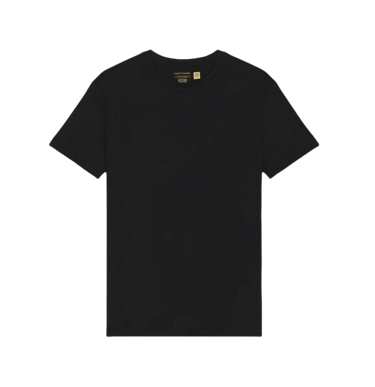
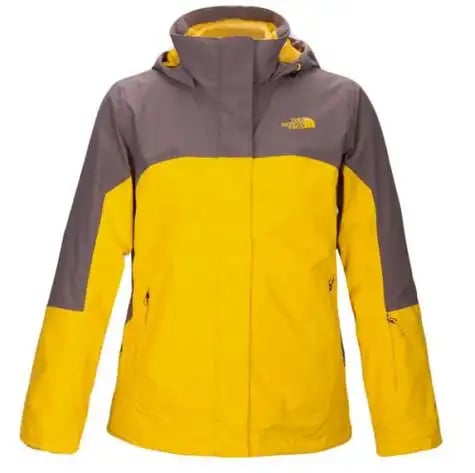

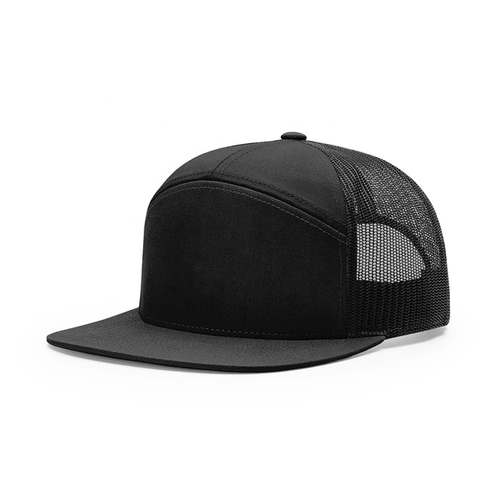
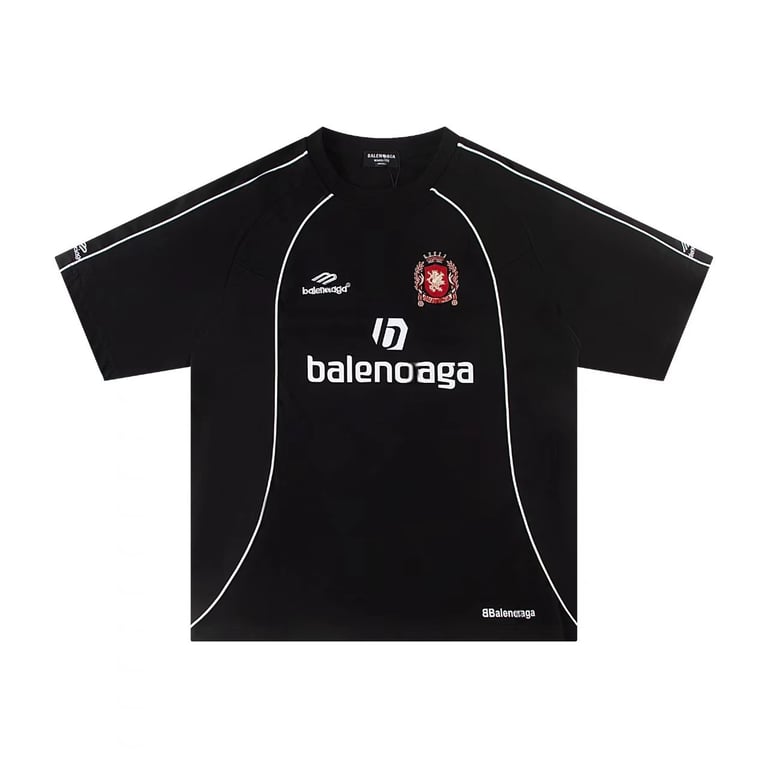
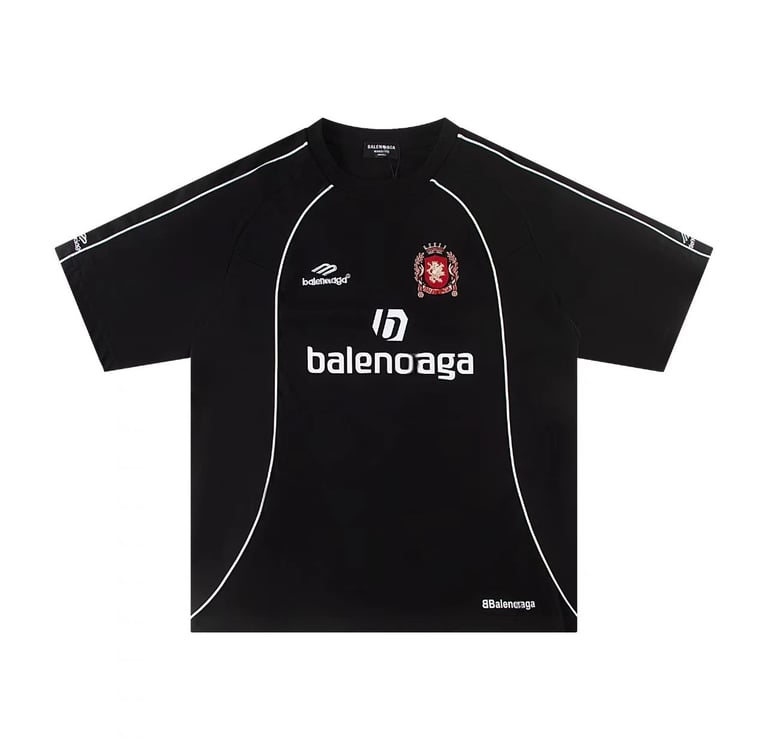


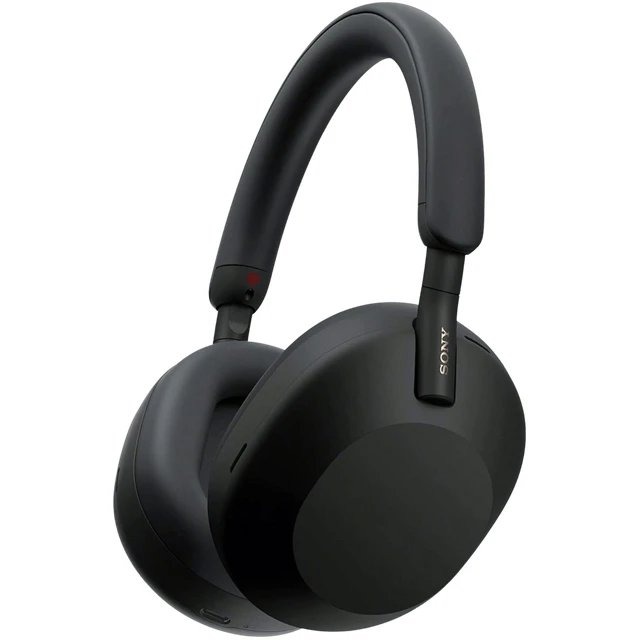
How Lovegobuy spreadsheet works as a global shopping gateway system
Cross-border ecommerce platforms usually separate “product discovery” and “product access” into two disconnected stages. Users first browse categories, then switch to suppliers, then try to reconstruct where a product actually came from. This fragmented path creates friction, especially when dealing with micro-stores and multi-source listings.
The Lovegobuy spreadsheet removes this separation by functioning as a global shopping gateway system. Instead of being a static product list, it operates as a routing layer that connects discovery, comparison, and supplier access into a single structured environment.
Entry point logic: replacing browsing with structured access
Traditional shopping begins with browsing. The gateway model begins with entry logic.
In the Lovegobuy spreadsheet, users do not “search first and decide later.” Instead, they enter through structured access points such as:
Category entry nodes
Product cluster gateways
Supplier-linked segments
Curated shopping paths
Each entry point is designed as a direct starting position, not a passive list. This transforms shopping from exploration into guided entry.
Multi-path navigation instead of linear browsing
Most ecommerce systems force users into a linear flow:
homepage → category → product → supplier
The gateway system introduces multi-path navigation.
The Lovegobuy spreadsheet allows users to:
Enter the same product group from different entry points
Switch between related clusters without restarting navigation
Jump between suppliers offering similar items
Explore overlapping product paths within the same category
This creates a network-style browsing structure rather than a fixed hierarchy.
Product routing layer: connecting discovery to sourcing instantly
A key function of the gateway system is product routing.
Instead of treating products as endpoints, the Lovegobuy spreadsheet treats them as nodes connected to multiple sourcing paths.
Each product can route users to:
Multiple supplier pages
Alternative product versions
Related category clusters
Similar functional items
This eliminates the need to manually search for the same product across different sources.
Reducing friction between selection and validation
In traditional systems, users must switch between discovery and validation repeatedly:
find product → search supplier → verify availability → compare alternatives
The gateway model removes these transitions.
With the Lovegobuy spreadsheet, validation paths are embedded directly into the structure:
Each product entry already contains sourcing direction
Comparison options are pre-linked within the system
Supplier alternatives are accessible without re-searching
Verification becomes a continuation, not a new step
This significantly reduces decision fragmentation.
Dynamic category entry based on intent
Unlike static category menus, the gateway system adjusts entry based on user intent patterns.
The Lovegobuy spreadsheet organizes entry routes based on:
Exploration intent (browsing wide categories)
Target intent (searching specific product types)
Budget intent (low-cost focused paths)
Trend intent (recently active product clusters)
This means users do not need to manually choose the “correct category structure”—the system provides multiple entry perspectives.
Cross-category bridging without navigation reset
One of the biggest inefficiencies in cross-border shopping is losing context when switching categories.
The gateway system solves this by enabling cross-category bridging:
Home goods can link directly to utility accessories
Fashion items can connect to lifestyle add-ons
Trending clusters can bridge into stable essential categories
Similar function products can be accessed across categories
Users move between related product environments without resetting their browsing state.
Embedded supplier visibility inside the gateway structure
Instead of hiding suppliers behind product pages, the system integrates supplier visibility directly into the spreadsheet layer.
The Lovegobuy spreadsheet allows users to:
See supplier distribution per product cluster
Identify how many sources offer the same item
Compare supplier density within categories
Understand sourcing reliability before clicking
This reduces uncertainty before entering external pages.
Gateway efficiency through reduced decision layers
Traditional ecommerce requires multiple micro-decisions:
which category → which product → which supplier → which variant
The gateway model reduces this into fewer steps:
entry point → structured cluster → direct sourcing path
By compressing decision layers, the Lovegobuy spreadsheet improves both browsing speed and decision clarity.
Connection to Lovegobuy links as execution layer
The gateway system is incomplete without execution routing.
Through Lovegobuy links, users can:
Move directly from spreadsheet entries to supplier pages
Jump between alternative sources instantly
Validate product availability in real time
Compare identical items across different stores
This creates a full pipeline from structured entry → routing → execution.
Conclusion
The Lovegobuy spreadsheet functions as a global shopping gateway system by replacing linear browsing with structured entry points, multi-path navigation, and embedded product routing. Instead of forcing users to search, filter, and rebuild context at every step, it provides direct access paths into interconnected product ecosystems.
When combined with Lovegobuy links, the gateway becomes fully operational—turning cross-border ecommerce from a fragmented browsing process into a structured access network where discovery and sourcing are seamlessly connected.


How Lovegobuy links reduce friction in cross-border shopping flows
Cross-border shopping is rarely difficult because of lack of products. It becomes difficult because every step between “seeing a product” and “actually reaching it” introduces friction. Users move across platforms, suppliers, and duplicated listings, repeatedly rebuilding context each time. This breaks momentum and slows down decision-making.
The Lovegobuy links system is designed to reduce these interruptions by acting as a direct connection layer between structured product data and real supplier pages. Instead of treating shopping as a multi-step navigation journey, it turns it into a continuous flow of connected actions.
Friction is created by repeated context rebuilding
Most ecommerce friction does not come from complexity itself, but from repetition. Users are constantly forced to:
Re-identify the same product across different pages
Reconstruct where a listing came from
Re-compare identical items in different environments
Restart navigation after switching suppliers
Each repetition breaks cognitive continuity. The result is not confusion, but delay.
Lovegobuy links address this by preserving context across every transition.
Direct transition replaces multi-step navigation chains
Traditional cross-border flows follow a chain structure:
discovery → category browsing → product list → supplier search → verification
Each step adds delay and increases abandonment risk.
With Lovegobuy links, this chain is compressed into direct transitions:
structured entry → supplier destination
Instead of multiple navigation layers, users move through predefined access points that already contain destination mapping.
This removes unnecessary intermediate steps entirely.
Link-based routing eliminates re-search behavior
A major inefficiency in cross-border shopping is “re-searching”—users repeatedly searching for the same product after losing it in navigation.
The Lovegobuy links system eliminates this by:
Embedding permanent access paths inside spreadsheet entries
Removing dependency on keyword recall
Preventing loss of supplier context
Allowing instant return to original product sources
Once a product is identified, it does not need to be searched again.
Sourcing flow becomes continuous instead of fragmented
Without structured linking, sourcing behavior is broken into isolated actions:
search → click → exit → re-enter → compare again
With Lovegobuy links, sourcing becomes continuous:
browse → open → compare → validate
The system keeps users inside a connected environment where each action leads naturally to the next without resetting context.
This continuity reduces both time cost and decision fatigue.
Cross-supplier comparison becomes instantaneous
In traditional systems, comparing suppliers requires opening multiple tabs, reloading product pages, and manually aligning information.
The Lovegobuy links system simplifies this by providing:
Direct links to multiple supplier sources for the same item
Pre-aligned product structures across listings
Instant switching between equivalent products
Consistent reference points across suppliers
This turns comparison from a manual reconstruction task into a direct switching action.
Reducing cognitive load during product validation
Validation is often where users lose the most time. They must confirm whether a product is:
Real and currently available
Consistently listed across suppliers
Matching across different sources
Suitable for purchase timing
With Lovegobuy links, validation becomes embedded in access itself. Users do not need to search for verification—they reach verification points directly through structured routing.
This reduces mental workload during decision-making.
Minimizing platform switching fatigue
Cross-border users frequently switch between platforms, especially when comparing micro-stores or multiple suppliers. Each switch introduces:
Interface changes
Navigation reset
Context loss
Reorientation delay
The Lovegobuy links system reduces this fatigue by standardizing entry points. Regardless of where a product originates, users follow consistent link-based access behavior.
This creates a stable navigation experience across fragmented supplier environments.
Link structure as a hidden flow optimizer
Unlike visible UI changes, the real improvement comes from structural design.
The Lovegobuy links system acts as a hidden optimizer by:
Pre-defining routing paths from spreadsheet to suppliers
Reducing unnecessary decision points
Aligning product structure with navigation structure
Ensuring each click has a clear destination purpose
Users feel faster movement without needing to adjust their behavior.
Connection with spreadsheet logic as a single system
The real efficiency gain appears when links and spreadsheets operate together.
The Lovegobuy spreadsheet provides:
Product organization
Category structure
Comparative grouping
The Lovegobuy links provide:
Direct execution paths
Supplier access
Real-time validation routes
Together, they form a continuous system where structure and action are tightly connected.
Conclusion
The Lovegobuy links system reduces friction in cross-border shopping flows by removing repeated navigation steps, eliminating re-search behavior, and maintaining continuity between discovery and supplier access. Instead of forcing users to rebuild context at every stage, it preserves movement through direct routing.
Rather than optimizing isolated clicks or pages, the system improves the entire flow between intention and execution—making cross-border sourcing feel less like a sequence of disconnected tasks and more like a single uninterrupted process.