
About Lovegobuy Spreadsheet
Click the images below to browse!
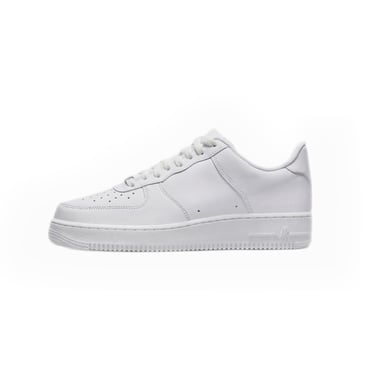
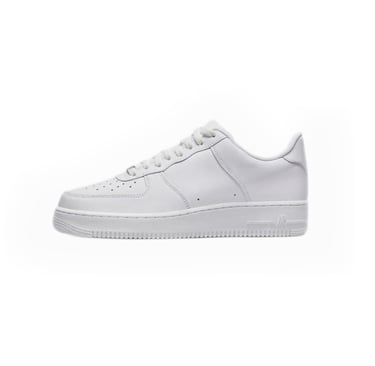




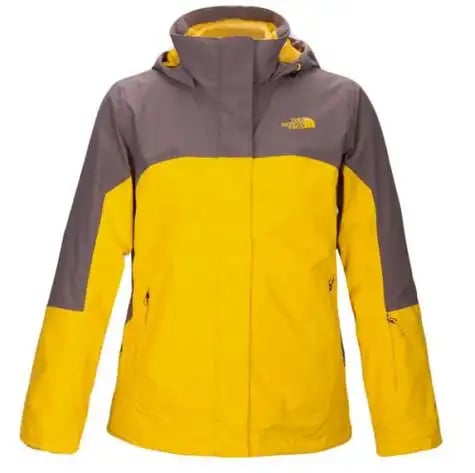


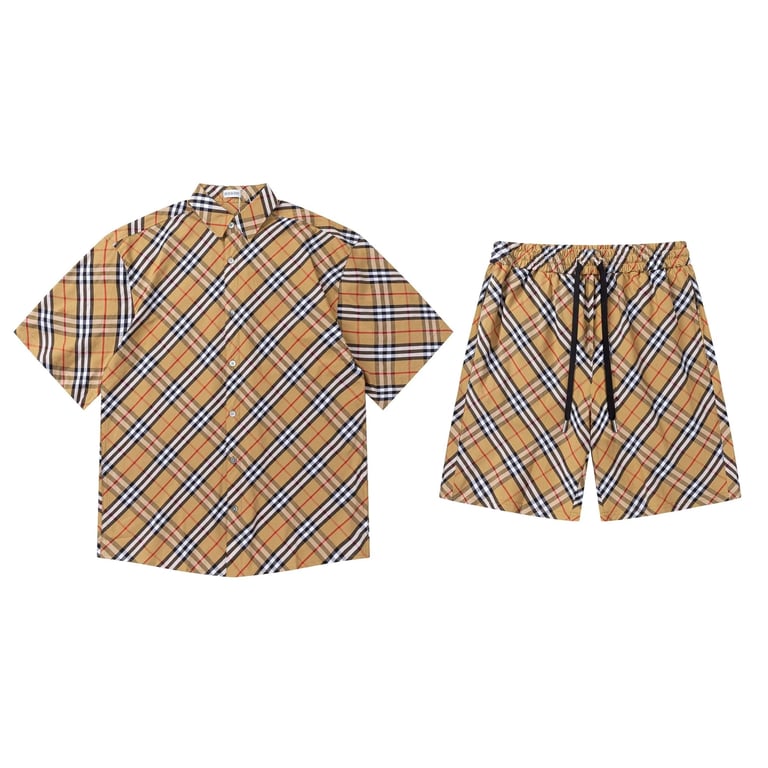
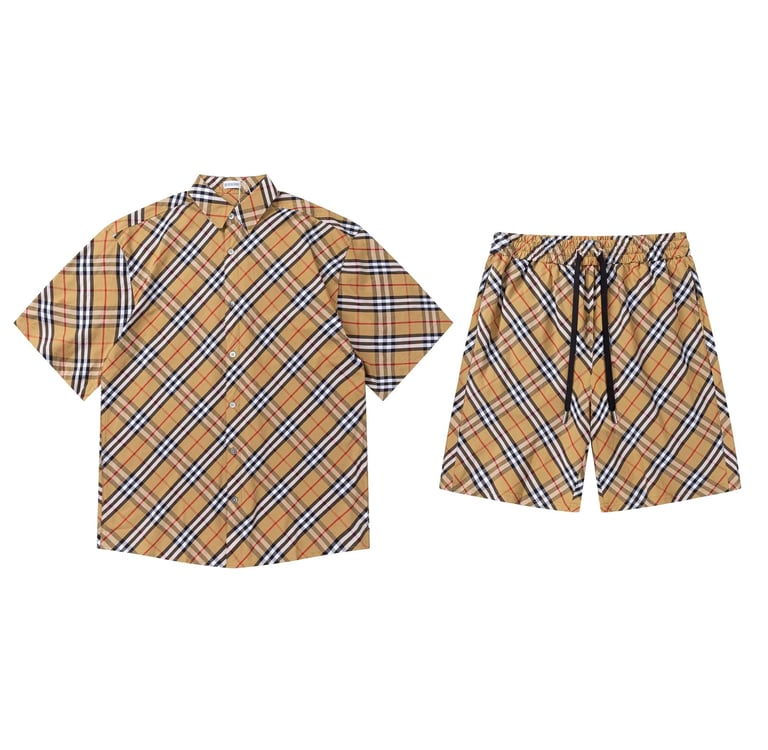
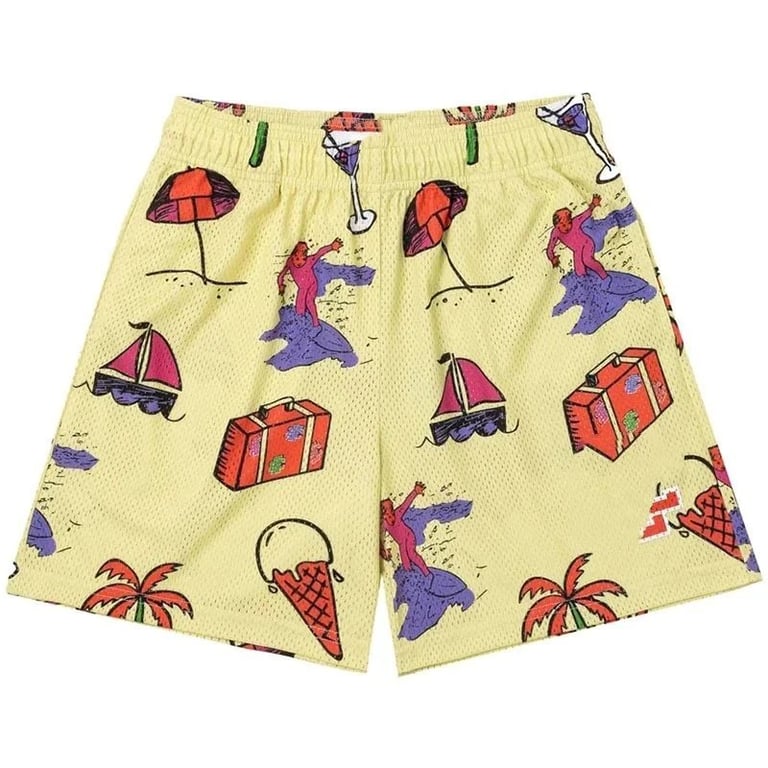
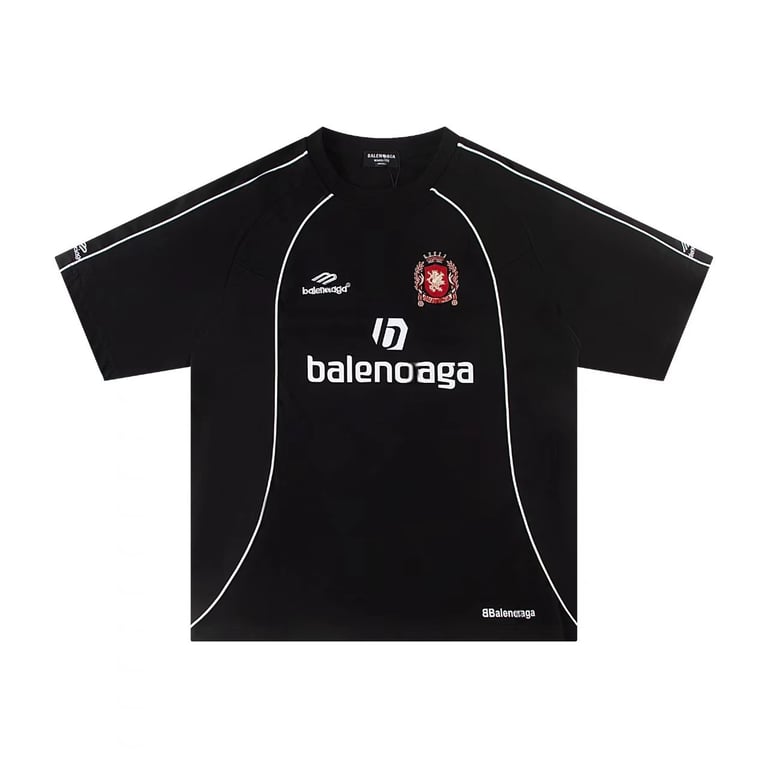
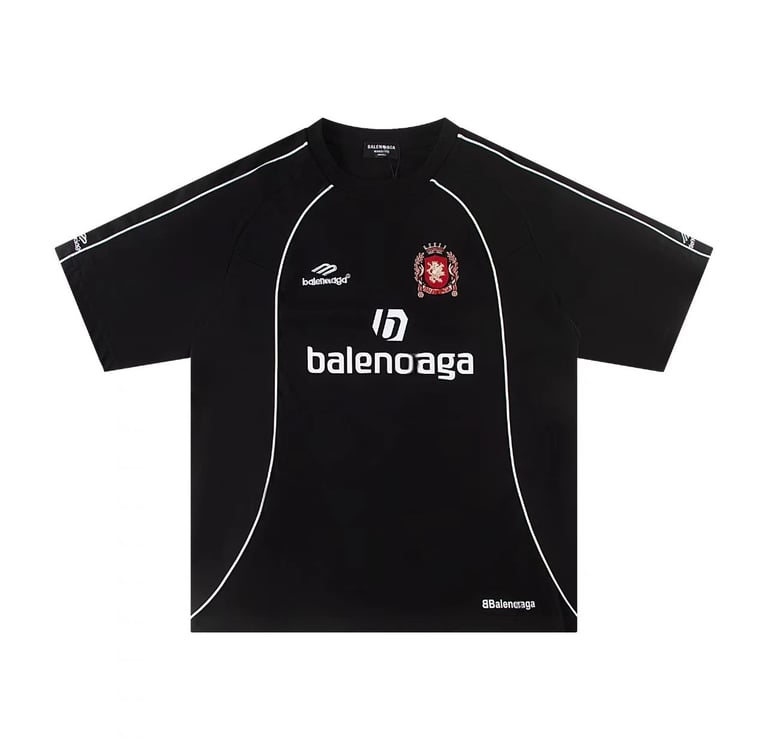


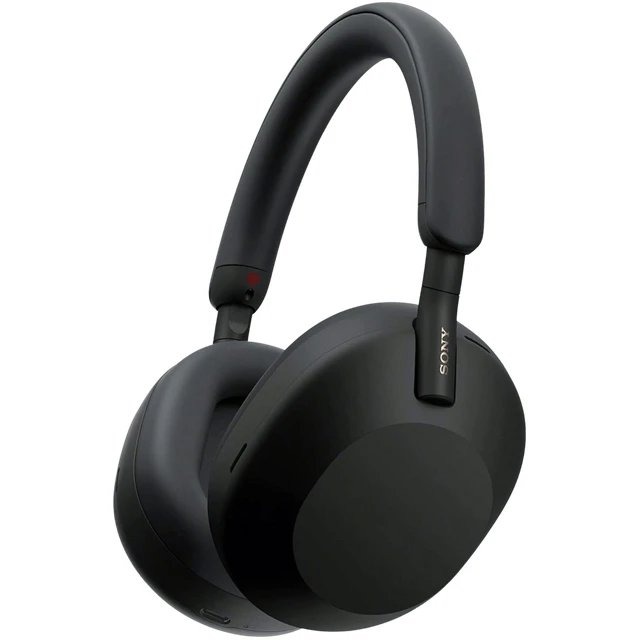
How Lovegobuy spreadsheet improves product access speed for users
In cross-border ecommerce, product access speed is often the hidden bottleneck behind every successful sourcing decision. Users usually assume delays happen during shipping or supplier response time, but in reality, most time is lost before reaching the product page—during search, filtering, category switching, and repeated navigation.
The Lovegobuy spreadsheet improves this layer by restructuring how users move from intent to product entry. Instead of treating browsing as a sequence of exploratory steps, it compresses access into a structured retrieval process where products can be reached through pre-organized pathways.
1. Access time is reduced by eliminating “search uncertainty”
In traditional systems, users spend significant time forming search queries:
trying different keywords
correcting mismatched results
re-running searches across categories
filtering irrelevant listings
This uncertainty creates invisible delays before any product interaction begins.
The Lovegobuy spreadsheet removes this dependency by replacing open-ended search with predefined product structures. Users do not need to “guess” how to find an item—they navigate through organized product clusters where items are already logically grouped.
This shifts access from discovery-based searching to structured entry.
2. Pre-linked product structure shortens navigation depth
Another major speed barrier in cross-border shopping is navigation depth. Each additional layer between the user and the product increases delay:
homepage → category → subcategory → listing → supplier page
The Lovegobuy spreadsheet reduces this depth by embedding direct product pathways inside its structure.
Users can move from:
category view → product cluster → supplier page
without restarting navigation at each step.
This eliminates redundant intermediate screens that do not contribute to decision-making.
3. Batch visibility replaces single-item retrieval
In conventional platforms, users access products one by one. This creates repeated cycles of:
open → view → return → search again
The spreadsheet introduces batch-level visibility, where related products are grouped together before access.
This allows users to:
view multiple similar items in one structured block
identify alternatives without restarting navigation
compare options before opening supplier pages
reduce repeated entry actions
Access speed improves because decisions are made before page transitions, not after them.
4. Access efficiency improves through route reuse
One overlooked factor in product access speed is route repetition. Users often retrace the same navigation paths multiple times when sourcing similar products.
The Lovegobuy spreadsheet solves this by enabling route reuse:
previously accessed product paths remain structurally available
similar items share navigation routes
category entry points remain consistent across sessions
users do not rebuild navigation logic each time
This reduces cognitive reconstruction effort and accelerates repeat sourcing behavior.
5. Context preservation prevents re-orientation delays
A major slowdown in ecommerce flows happens when users lose context after switching pages or suppliers. They must re-understand where they are, what they saw, and why they clicked.
The spreadsheet maintains structured context by:
keeping product relationships visible
linking related items within clusters
preserving category positioning during navigation
reducing disconnection between steps
This prevents the “reset effect” that typically slows down multi-page browsing.
6. Supplier access is embedded into product structure
Instead of separating product discovery and supplier access, the Lovegobuy spreadsheet embeds supplier entry points directly into product nodes.
This means:
users do not search for suppliers separately
each product already contains access paths
switching between suppliers requires no re-navigation
validation becomes part of access flow
By merging discovery and execution, overall access time is significantly reduced.
7. Faster access improves decision compression
Speed is not only about reaching products faster—it also compresses decision cycles.
With faster access, users can:
compare options within shorter time intervals
evaluate alternatives while context is still fresh
reduce hesitation caused by navigation delays
make decisions closer to real-time information
This creates a tighter feedback loop between intention and action.
8. Connection with Lovegobuy links as execution acceleration layer
The spreadsheet defines structure, but actual speed gains become visible when combined with Lovegobuy links.
Together they enable:
structured entry (spreadsheet)
direct execution (links)
instant supplier transition
reduced validation delay
This creates a two-layer system where structure determines path, and links execute movement instantly.
Conclusion
Product access speed is not simply a matter of faster clicking—it is the result of reducing unnecessary thinking, navigation resets, and search uncertainty.
The Lovegobuy spreadsheet improves access speed by compressing multiple browsing stages into structured entry points, preserving context across navigation, and enabling batch-level product visibility. Instead of speeding up individual actions, it removes entire categories of delay from the sourcing process.
The result is not just faster browsing, but a fundamentally shorter distance between product intent and product entry.